Manchester, CT · Garage Door Service
Garage Door Service in Windsor, CT
Windsor homes built around 1969 still run original torsion hardware. Manchester Garage Door Co drives the 10 miles out to fix what that era left behind.
- Repairs & new doors
- Springs & openers
- Serving 6 nearby communities
How Long You Are Without the Door
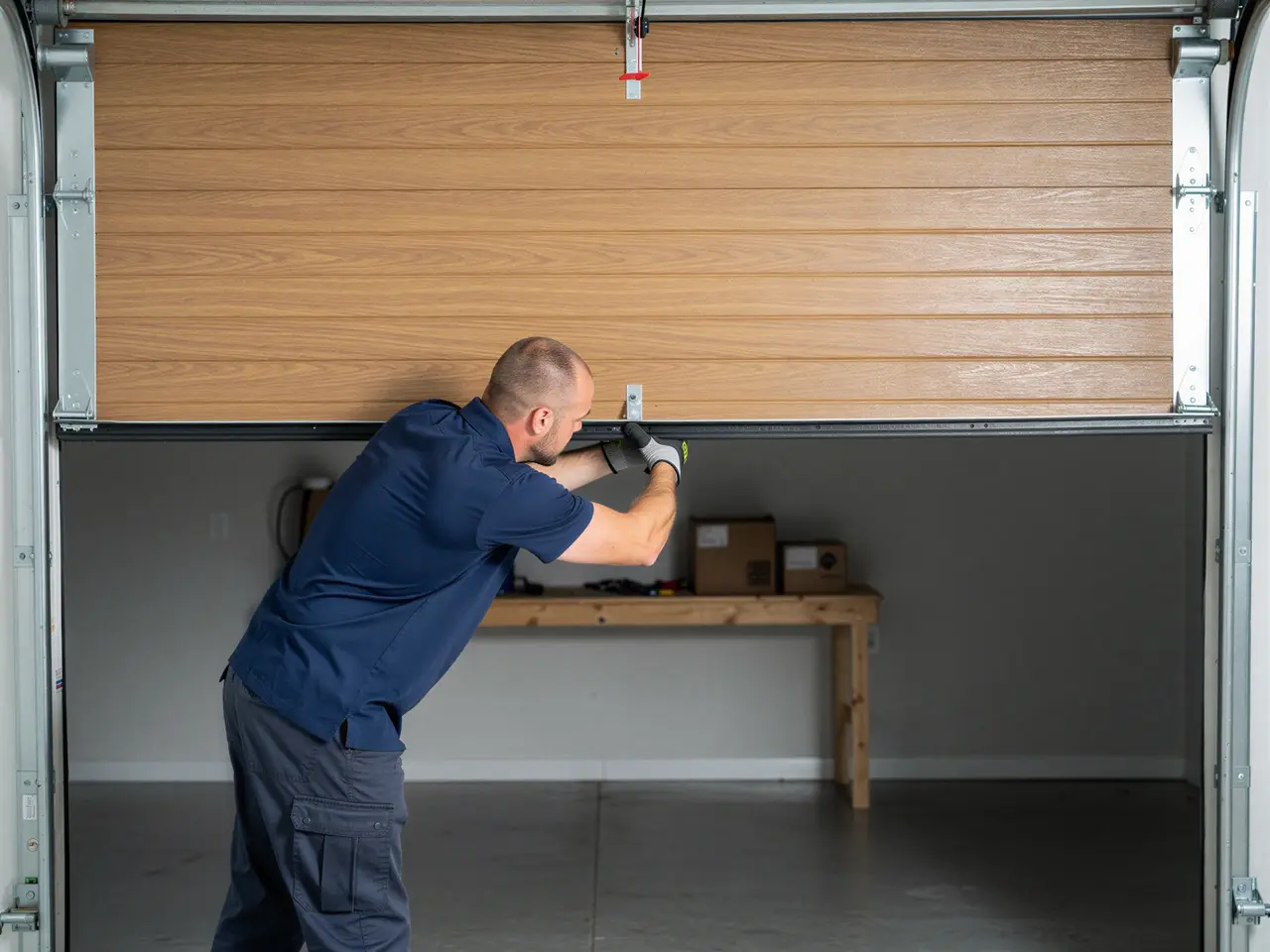
We run this call out of Manchester, about 10 miles west, so the first thing to settle on the phone is what's actually wrong before a truck leaves. A door that won't open because of a snapped spring is a different trip than one that's off track or grinding on a bent roller. Windsor's housing stock dates mostly to the late 1960s and early 1970s, with a median build year around 1969, so a lot of what we find once we're on site is original hardware that was never swapped out - springs rated for a door that's since been reskinned, openers bolted to brackets that predate the current unit. None of that changes how fast we can get there, but it does change how long the actual repair takes once we're in your driveway, because original hardware from that era often isn't a straight swap with what's on the shelf. We'll tell you on the phone whether it sounds like a same-visit fix or a return trip for a part.
What It Costs
We don't post a price list here because the honest answer depends on what's actually failed and whether the hardware underneath is original 1969-era stock or something replaced since. A torsion spring swap on a door with its original drums and shaft costs differently than one where a prior repair already modernized part of the system. Windsor's median household income sits around $107,548, a bit higher than the Manchester area median of $104,976, and we mention that only because it shapes a real decision homeowners here face: repair an aging original system piece by piece, or replace the whole unit once enough of it is original and tired. We'll give you a number for the job in front of us, not a range pulled from a website, and we'll tell you plainly if a repair is going to cost close to what replacement would.
What Can Go Wrong
Connecticut winters are hard on garage doors, and the cold-climate stress here is severe enough that metal fatigue shows up earlier than in milder regions - cables fraying at the drum, torsion springs losing temper faster than their rated cycle count suggests. On a Windsor house with its original 1969-era door, that fatigue has had five decades to work. The usual failures we see: springs that let go on a cold morning when the steel is stiffest, rollers that have worn their track grooves oval instead of round, and openers original to a much lighter door now straining to lift one that's been reskinned or insulated since. Garage doors across this part of the service area share a build era, so the failure patterns repeat house to house even though the houses themselves don't look alike.
What the Repair Takes
Most single-spring or cable jobs are a same-visit repair once we've confirmed the part on the phone or at the door. Where it slows down is original hardware - a 1969-era track bracket pattern or a long-discontinued opener drive gear doesn't always match what we're carrying, and in those cases we may need to source a part before we finish the job. We'll tell you up front if that's the situation rather than leave the door half-fixed. One honest limit here: if the drum, shaft, and track are all original and one has failed, we usually recommend replacing the full spring and drum assembly together rather than patching just the broken piece, because mixing decades-old steel with new parts under tension is asking for a second failure.
Parts We Carry
We carry common torsion and extension springs, standard rollers, cables, and the hardware that fits most doors built from the 1960s through the 1990s, since that's the era that covers most of the houses we're called to in this area. For a Windsor house near its 1969 median build year, that usually means we're carrying what fits. Where we run into trouble is opener drive components on discontinued models, or track hardware on doors that have already had one mismatched repair done to them - those sometimes need an order. We'd rather tell you that on the first visit than pretend every part is on the truck.
What You Are Seeing
If your door is dragging on one side, binding partway up, or the opener is straining and reversing before it closes, that's consistent with original 1969-era hardware reaching the end of its working life rather than a one-off glitch. A door that slams the last foot of travel usually means a spring has lost tension, not that the opener needs adjusting. Daylight at the bottom corner of a closed door, or a track that's visibly pulled away from the frame on one side, points to a roller or hinge problem rather than the spring. We'd rather look at it in person than guess over the phone, but knowing which of these you're seeing helps us bring the right part the first time.
Frequently asked questions
Is Manchester Garage Door Co based in Windsor?
No, we're based in Manchester and travel about 10 miles to reach Windsor. We don't keep a branch or depot here, but we take calls from Windsor regularly and carry the parts that fit most doors from the area's building era.
Why does my original garage door hardware keep failing?
Windsor's housing stock dates mostly to around 1969, and a lot of that original torsion spring, drum, and roller hardware has never been replaced. Fifty years of Connecticut winters puts real fatigue on that steel, so failures cluster in houses from that same build era.
Should I repair or replace an original door from the 1960s or 70s?
If the spring, drums, and track are all original and one part fails, we often recommend replacing the spring and drum assembly together rather than mixing old and new steel under tension. Whether full replacement makes sense depends on the door's condition, which we check in person.
Book garage door service in Manchester
Call now or request a quote - tell us what the door is doing and where you are.